Overview
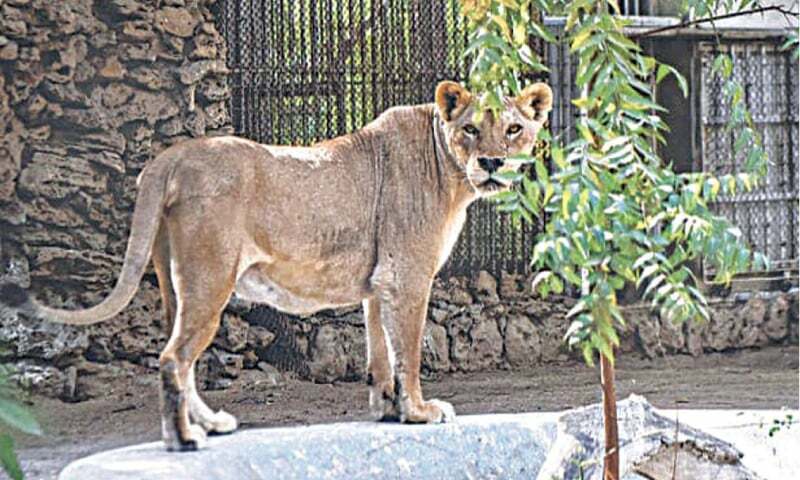
The African lion (Panthera leo) is one of the most iconic and recognizable big cats in the world. Known as the “King of the Jungle,” male lions are particularly distinguished by their impressive manes and powerful build. Native to the grasslands and savannas of Africa, male lions play a crucial role in the social structure and survival of their prides.
Physical Characteristics
Mane
One of the most distinctive features of the male lion is its mane, which varies in color from blonde to black. The mane serves multiple purposes:
- Protection: It helps protect the lion’s neck during fights with rivals.
- Attraction: A larger, darker mane is often a sign of health and virility, making the male more attractive to females.
- Intimidation: The mane can make the male appear larger and more intimidating to potential threats and competitors.
Size and Strength
Male lions are significantly larger than females, weighing between 330 to 550 pounds (150 to 250 kilograms) and measuring up to 10 feet (3 meters) in length, including the tail. Their muscular build and powerful limbs make them formidable hunters and fighters.
Habitat
Grasslands and Savannas
African lions predominantly inhabit grasslands, savannas, and open woodlands, where they have access to ample prey and space to roam. These environments provide the perfect setting for their hunting strategies and social interactions.
Pride Territory
Male lions are responsible for defending the pride’s territory, which can range from 20 to 400 square miles (50 to 1,000 square kilometers). They mark their territory with scent markings and roaring to ward off intruders.
Diet and Hunting
Carnivorous Diet
Male lions are carnivores, primarily hunting large ungulates such as zebras, wildebeests, and buffaloes. They occasionally prey on smaller animals and scavenge from other predators.
Hunting Techniques
While male lions participate in hunting, it is the females who do the majority of the stalking and capturing of prey. Males, however, use their strength to bring down larger animals and fend off scavengers from a kill.
Behavior and Social Structure
Pride Dynamics
A typical pride consists of several related females, their offspring, and a coalition of 1 to 3 males. Male lions often form coalitions with their brothers or other males to increase their chances of maintaining control over a pride.
Roaring
Roaring is a significant aspect of male lion behavior. It serves various purposes:
- Communication: Roaring helps male lions communicate with other pride members over long distances.
- Territorial Defense: A powerful roar can deter rival males and intruders.
- Social Cohesion: Roaring sessions can strengthen bonds within the coalition and the pride.
Mating and Reproduction
Male lions reach sexual maturity around 3 to 4 years of age. During mating season, a male lion may mate with multiple females in the pride. The gestation period for lions is approximately 110 days, and females usually give birth to 2 to 4 cubs.
Conservation Status
Threats
African lions face numerous threats that have led to a decline in their population:
- Habitat Loss: Expansion of human settlements and agriculture reduces the lions’ natural habitat.
- Conflict with Humans: Lions often come into conflict with livestock farmers, leading to retaliatory killings.
- Poaching and Trophy Hunting: Illegal hunting and trophy hunting contribute to population declines.
Conservation Efforts
Several initiatives are in place to protect African lions and their habitats:
- Protected Areas: Establishing and maintaining national parks and wildlife reserves help provide safe habitats for lions.
- Anti-Poaching Measures: Enhanced law enforcement and anti-poaching efforts aim to reduce illegal hunting.
- Community Engagement: Working with local communities to promote coexistence and reduce human-wildlife conflict is crucial for long-term conservation success.
By understanding the unique characteristics and challenges faced by male African lions, we can support efforts to preserve these majestic creatures and ensure their survival for future generations.