
HABITAT
Pakistan, India
DIET
Grains, Wheat Jowar, Bajra, Main, Sunflower Seed
CLUTCH SIZE
4-8 Nos.
INCUBATION PERIOD
28 Days
AVERAGE LIFE SPAN
20 Years
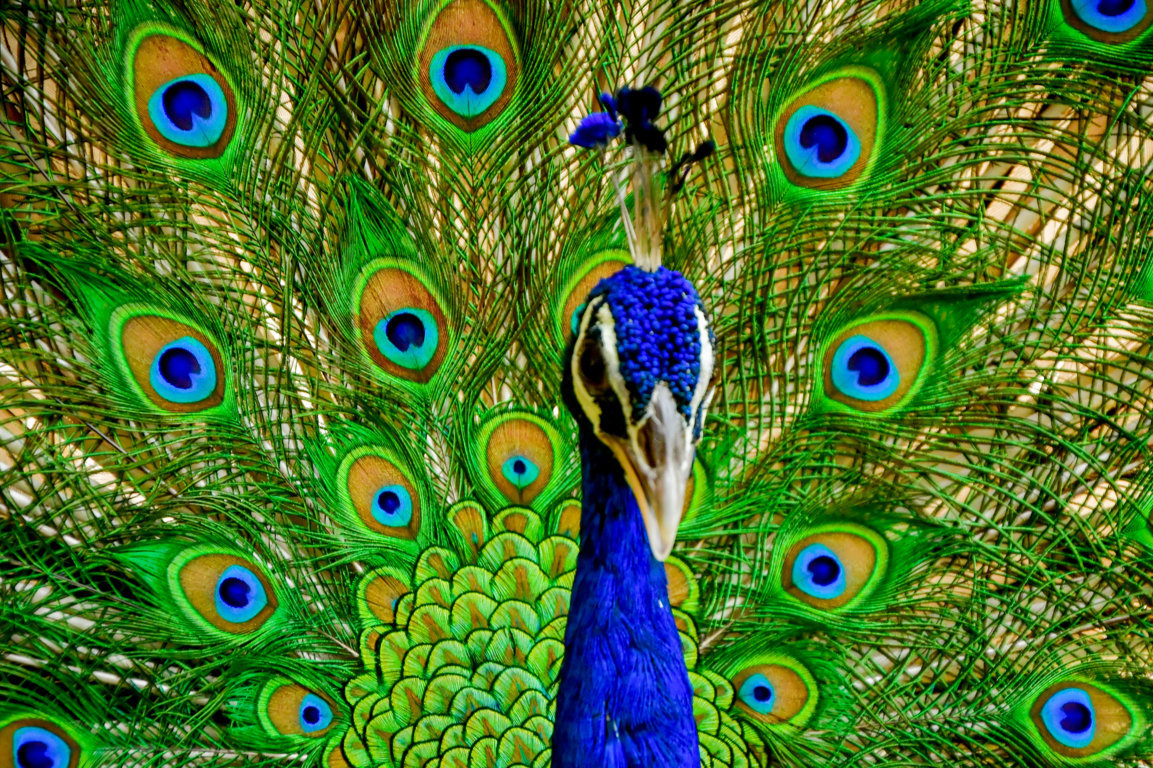
A majestic blue peacock spreads its iridescent feathers in full display. Each feather shimmers with vibrant hues of blue, green, and gold. The elegant bird stands proudly, its plume resembling an ornate fan. Nature’s artistry is on full.
Overview
The Blue Peacock (Pavo cristatus) is one of the most recognizable and majestic birds in the world, known for its vibrant plumage and impressive courtship displays. Native to the Indian subcontinent, Blue Peacocks are celebrated for their beauty and cultural significance, often found in gardens, parks, and zoological collections worldwide.
Physical Characteristics
Appearance
Blue Peacocks are renowned for their striking appearance:
- Size: They are large birds, with males (peacocks) reaching lengths of up to 7.3 feet (2.3 meters), including their extravagant tail feathers, and weighing around 8 to 13 pounds (3.6 to 6 kilograms). Females (peahens) are smaller, with shorter tail feathers.
- Plumage: Males have iridescent blue-green plumage on their body and upper wings, with elongated upper tail coverts that form a spectacular “train” or display of feathers. The train can reach up to 5 feet (1.5 meters) in length and is adorned with colorful “eyes” or ocelli.
- Females: Peahens have a more subdued appearance, with mottled brown plumage that provides camouflage in their natural habitat.
Display Feathers
The elaborate train of a male Blue Peacock serves primarily as a display during courtship:
- Courtship Displays: During mating season, males erect and fan out their tail feathers in a dramatic display to attract females.
- Ocelli: The “eyes” or ocelli on the tail feathers are actually patterns of color and light reflection, not true eyes, but they serve to dazzle and impress potential mates.
Habitat
Range
Blue Peacocks are native to the Indian subcontinent:
- Geographic Range: They are found in India, Sri Lanka, Bangladesh, and parts of Pakistan.
- Introduced Populations: Due to their popularity, they have been introduced to other parts of the world, including the United States, where they thrive in suitable climates.
Habitat Preferences
Blue Peacocks inhabit a variety of habitats, from forests to cultivated lands:
- Natural Habitats: They prefer open forests, grasslands, and near water sources such as rivers and streams.
- Human Habitats: They are also commonly found near human settlements, where they may roam freely in gardens and parks.
Diet and Feeding
Omnivorous Diet
Blue Peacocks have a diverse diet:
- Plant Matter: They feed on a variety of plant matter, including seeds, fruits, berries, and leaves.
- Insects: They also consume insects, small reptiles, and invertebrates as part of their diet.
Foraging Behavior
Blue Peacocks forage both on the ground and in trees:
- Ground Foraging: They scratch the ground with their feet to uncover food items and peck at vegetation.
- Tree Foraging: They may also climb trees to access fruits and nuts, using their strong feet and talons for grip.
Behavior and Social Structure
Social Behavior
Blue Peacocks are social birds:
- Groups: Outside of the breeding season, they may gather in small groups or flocks.
- Mating Pairs: During the breeding season, males establish territories and compete for access to females.
Courtship and Reproduction
Courtship displays are a hallmark of Blue Peacock behavior:
- Display Feathers: Males perform elaborate displays, including fanning out their tail feathers and shaking them to create a rustling sound.
- Mate Selection: Females select mates based on the quality and intensity of the male’s display, as well as his health and vigor.
Nesting and Parenting
After mating, females construct nests on the ground, where they lay and incubate eggs:
- Nest Location: Nests are typically hidden in vegetation or under cover to protect them from predators.
- Incubation: Females incubate the eggs for about 28 days, during which time they are highly protective.
- Chick Rearing: Both parents participate in caring for and feeding the chicks after they hatch.
Conservation Status
Threats
Blue Peacocks face few natural predators but are threatened by human activities:
- Habitat Loss: Deforestation and urbanization reduce their natural habitats.
- Illegal Trade: They are sometimes captured for the pet trade or for their ornamental feathers.
- Introduced Predators: Invasive species may pose a threat to nestlings and eggs.
Conservation Efforts
Efforts to protect Blue Peacocks include:
- Habitat Preservation: Establishing and managing protected areas and wildlife reserves.
- Education and Awareness: Promoting awareness about the importance of conserving native species and their habitats.
- Legal Protections: Enforcing laws against poaching and illegal wildlife trade.
Fun Facts
- Symbolism: Blue Peacocks are symbols of beauty, pride, and immortality in many cultures, including ancient Greek mythology and Hinduism.
- Vocalizations: They produce loud calls, including “miaow” sounds similar to a domestic cat.
- Longevity: In captivity, Blue Peacocks can live for over 20 years, with proper care and nutrition.
By understanding the unique characteristics and cultural significance of Blue Peacocks, visitors can appreciate these majestic birds and support efforts to conserve them for future generations.