Overview
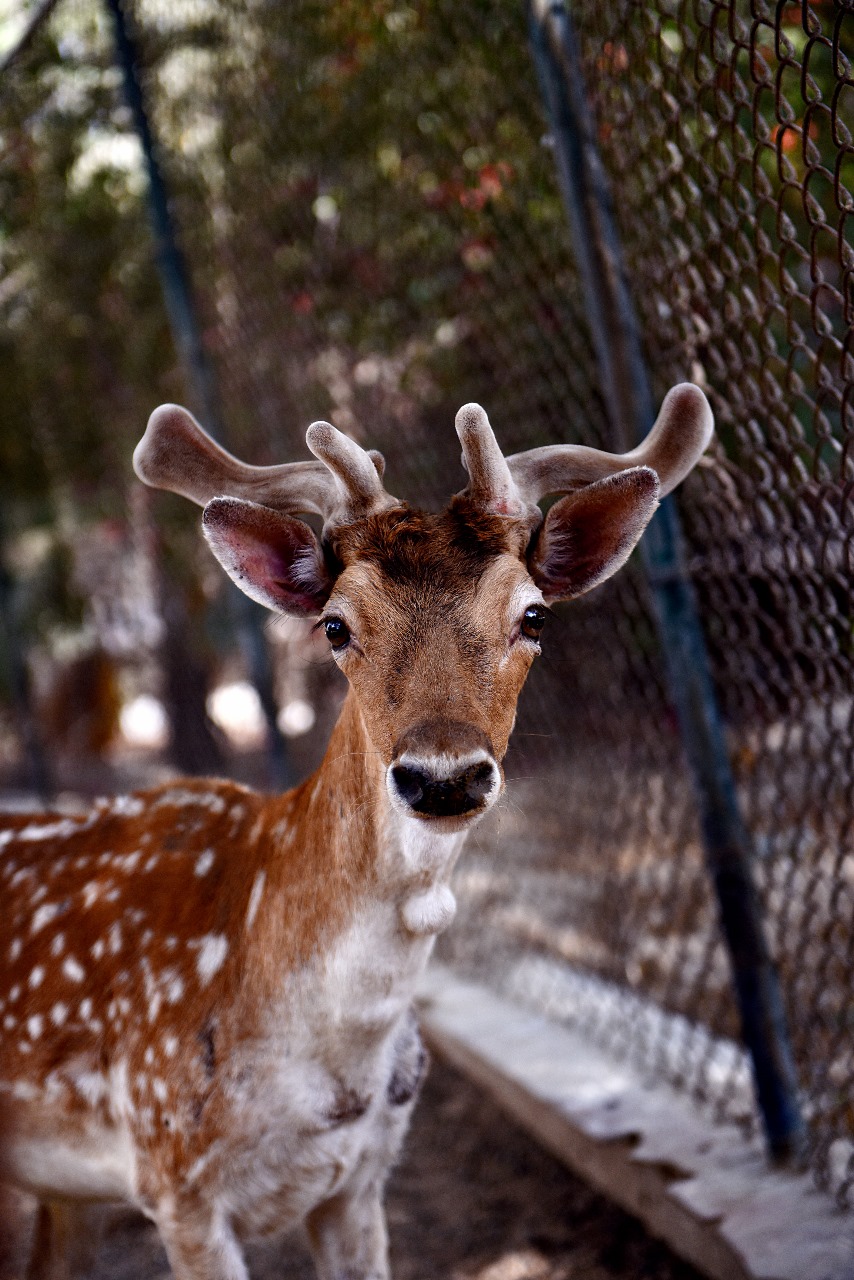
The Fallow Deer is a medium-sized deer species known for its elegant appearance and distinctive antlers. Native to Europe, but introduced widely to other parts of the world, these deer are a common sight in many parks and estates. Their adaptability to various habitats and their charming demeanor make them a favorite among wildlife enthusiasts.
Physical Description
Fallow Deer have a unique coat that changes with the seasons. In summer, their coat is a rich chestnut color with white spots, while in winter, it becomes a darker brown or grayish hue without spots. They have a characteristic white rump patch edged with black, and their tails are long and dark with a light underside. Males, known as bucks, have impressive broad, palmate antlers that can span up to 70 cm (28 inches). Females, called does, are smaller and lack antlers. Bucks can weigh up to 100 kg (220 lbs) and measure around 1.5 meters (5 feet) in length, while does typically weigh about 45 kg (100 lbs) and are slightly shorter.
Habitat
Fallow Deer are highly adaptable and can thrive in a variety of habitats, including woodlands, grasslands, and agricultural areas. They are commonly found in deciduous and mixed forests, where they graze on a variety of vegetation. They prefer habitats that provide both cover for shelter and open areas for grazing.
Diet
Fallow Deer are herbivores, with a diet that includes grasses, herbs, leaves, acorns, berries, and bark. They are known for their selective grazing habits and can impact the vegetation structure of their habitat. During winter, when food is scarcer, they rely more on woody vegetation and browse on shrubs and trees.
Behavior
Fallow Deer are social animals that often form groups. Does and their fawns typically form small herds, while bucks may form bachelor groups outside the breeding season. During the rut, or mating season, which occurs in autumn, bucks compete for access to does by displaying their antlers, vocalizing, and engaging in physical confrontations. They communicate through a range of vocalizations, body language, and scent markings.
Reproduction
The breeding season, or rut, takes place in October. During this time, bucks establish territories and attract females by vocalizing and displaying their antlers. After a gestation period of about 230 days, does give birth to a single fawn, though twins are occasionally born. Fawns are born spotted and remain hidden in vegetation for the first few weeks of life to avoid predators. They start grazing within a few weeks but continue to nurse for several months.
Conservation Status
Fallow Deer are listed as Least Concern on the IUCN Red List due to their wide distribution and stable population in many areas. However, in some regions, populations may be threatened by habitat loss, hunting, and competition with other deer species. Conservation efforts focus on sustainable management practices, habitat conservation, and monitoring populations to ensure their long-term viability.
Fun Facts
- Fallow Deer are known for their distinctive “pronk,” a high, stiff-legged bounce used to evade predators.
- The color variations in their coats include common (spotted), menil (lighter spots), melanistic (dark brown or black), and leucistic (white, but not albino).
- They have a lifespan of about 12-16 years in the wild, but can live up to 20 years in captivity.
Visit Us
Come visit our Fallow Deer and observe their graceful movements and beautiful antlers. Our zoo provides a naturalistic environment where these charming animals can thrive and exhibit their natural behaviors.