
HABITAT
Asia
DIET
Lucerne Grass, Grains Wehat Brown, Dal Channa, Jaggery
LITTER SIZE
1 No.
GESTATION PERIOD
166-175 Days
AVERAGE LIFE SPAN
12-15 Years
AGE AT KARACHI ZOO
3 to 4 years
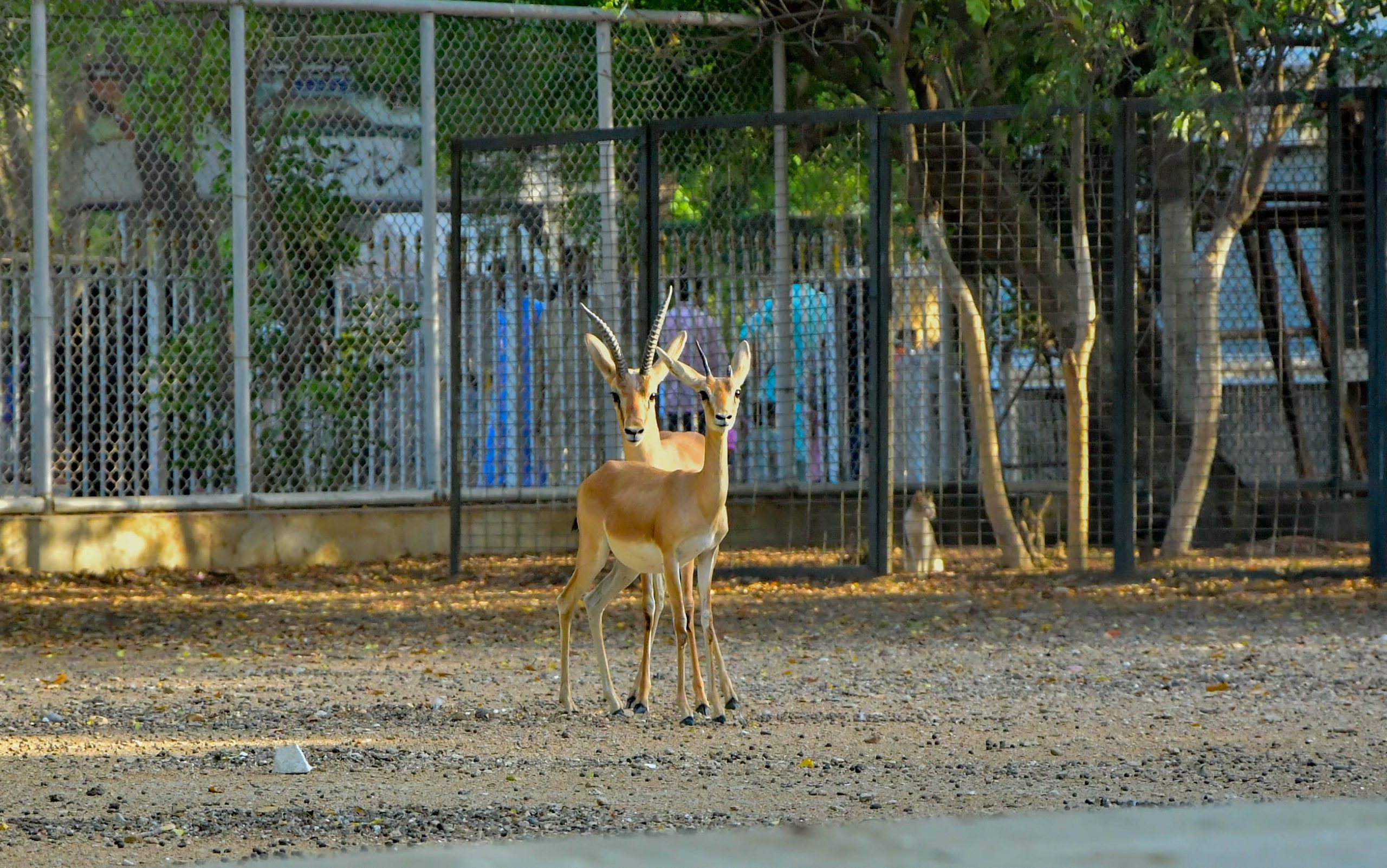
Gazelle was inducting in Karachi Zoo by confiscation by Sindh Wildlife Department Government of Sindh and donation. Gazelle Deer also known as member of the antelope family they are social animals often living in small herds.
Overview
Gazelles are graceful antelopes known for their speed, agility, and striking appearance. Belonging to the genus Gazella, they are native to various regions of Africa and Asia. Gazelles thrive in open plains, grasslands, and savannas, where their keen senses and swift movements help them evade predators. These elegant creatures are a symbol of beauty and vitality in the wild.
Physical Characteristics
Appearance
Gazelles are characterized by their slender bodies, long legs, and distinctive facial markings:
- Size: Gazelles typically stand about 2 to 3.5 feet (60 to 110 cm) tall at the shoulder and weigh between 26 to 165 pounds (12 to 75 kg), depending on the species.
- Coat: Their coats are usually tan or reddish-brown with white underparts. Many species have dark stripes along their sides and faces.
- Horns: Both males and females usually have horns, though they are more pronounced in males. The horns can be straight or slightly curved, with ridges along their length.
Adaptations
Gazelles have several adaptations that help them survive in their habitats:
- Speed: Gazelles are incredibly fast runners, capable of reaching speeds up to 60 mph (97 km/h) in short bursts. Their agility allows them to make quick, sharp turns to evade predators.
- Vision and Hearing: They possess excellent eyesight and hearing, which help them detect predators from a distance.
Habitat
Range
Gazelles are found in various habitats across Africa and parts of Asia:
- Savannas and Grasslands: Most species, such as the Thomson’s gazelle, prefer open grasslands and savannas where they can graze and spot predators easily.
- Deserts and Semi-Deserts: Some species, like the dama gazelle, are adapted to arid environments and can survive with minimal water.
Migration
In some regions, gazelles migrate seasonally to find fresh grazing grounds and water sources. These migrations are often influenced by rainfall patterns and food availability.
Diet and Foraging
Herbivorous Diet
Gazelles are herbivores, primarily feeding on grasses and leaves:
- Grazing: They primarily graze on short grasses, but they can also browse on shrubs and herbs, especially during the dry season.
- Water Requirements: Gazelles can go for long periods without direct water sources, obtaining moisture from the plants they consume.
Foraging Behavior
Gazelles are active foragers, spending much of their day grazing:
- Social Feeding: They often feed in groups, which provides safety in numbers and allows them to detect predators more effectively.
- Selective Grazing: Gazelles are selective grazers, choosing plants that offer the most nutritional value.
Behavior and Social Structure
Social Groups
Gazelles typically live in social groups that vary in size:
- Herds: Herds can range from a few individuals to several hundred, depending on the species and environmental conditions.
- Territoriality: Male gazelles often establish and defend territories during the breeding season, marking them with scent and engaging in displays to deter rivals.
Communication
Gazelles communicate using a variety of vocalizations, body postures, and scent markings:
- Vocalizations: They use different sounds to alert others to danger, signal distress, or communicate during mating rituals.
- Body Language: Gazelles display a range of behaviors, such as stotting (leaping with all four legs off the ground), to signal alertness and fitness to predators and rivals.
Reproduction
Gazelles have distinct breeding seasons, which vary by species and region:
- Mating: Males compete for females through displays and fights, often engaging in ritualized behavior to establish dominance.
- Gestation and Birth: The gestation period is typically around 5 to 6 months, with females usually giving birth to a single calf. Calves are hidden in vegetation for the first few weeks of life to protect them from predators.
Conservation Status
Varied Status
The conservation status of gazelle species varies widely:
- Common Species: Some species, such as the Thomson’s gazelle, are relatively abundant and widespread.
- Endangered Species: Others, like the dama gazelle, are critically endangered due to habitat loss, hunting, and human encroachment.
Threats
Gazelles face numerous threats in the wild:
- Habitat Loss: Agricultural expansion, urbanization, and infrastructure development reduce their natural habitats.
- Hunting and Poaching: Gazelles are often hunted for their meat and horns, leading to significant population declines.
- Predation: Natural predators, such as lions, cheetahs, and hyenas, pose constant threats, especially to young and weaker individuals.
Conservation Efforts
Efforts to protect gazelles include:
- Protected Areas: Establishing national parks and wildlife reserves helps safeguard their habitats.
- Anti-Poaching Measures: Enhanced law enforcement and community engagement aim to reduce illegal hunting.
- Research and Monitoring: Ongoing research and monitoring help track population trends and inform conservation strategies.
Fun Facts
- Speed and Agility: Gazelles are some of the fastest animals on land, capable of outrunning many predators with their incredible speed and agility.
- Unique Markings: Each species of gazelle has distinctive markings and coloration, making them easily identifiable.
- Adaptability: Gazelles are highly adaptable and can survive in a variety of environments, from lush grasslands to harsh deserts.
By understanding the unique characteristics and ecological importance of gazelles, visitors can appreciate these elegant animals and support efforts to conserve them for future generations.