
HABITAT
America, Europe
DIET
Lucerne Grass, grain Fruits
LITTER SIZE
1 No.
GESTATION PERIOD
11-12 Months
AVERAGE LIFE SPAN
25-30 Years
AGE AT KARACHI ZOO
22 Years
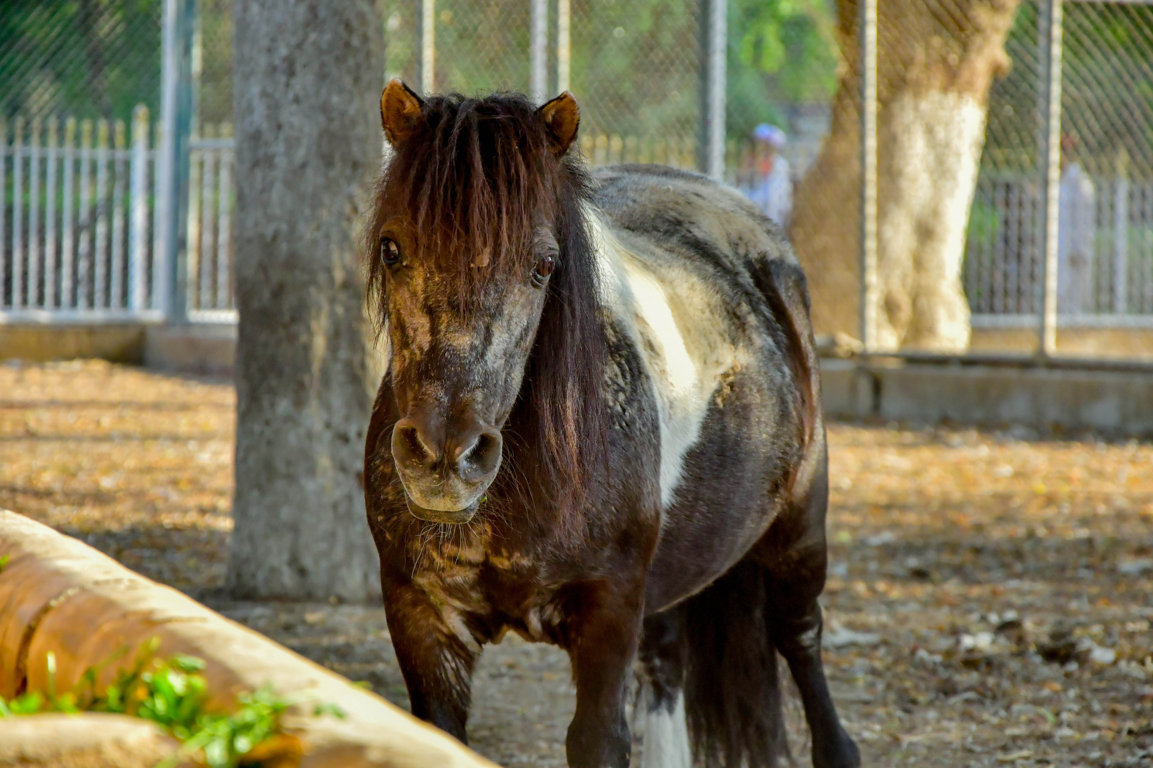
They are typical breed of horse that been selectively bred to be extremely small. Despite their small size they a known for intelligence and friendly personality.
Overview
The Miniature Horse, often simply called “minis,” is a small and beloved breed of horse known for its diminutive size and gentle demeanor. These horses have captured the hearts of many due to their compact stature, friendly personalities, and versatility. Originally bred as companions and working animals, Miniature Horses today are popular in various roles, including therapy animals, show competitors, and beloved pets.
Physical Characteristics
Appearance
Miniature Horses exhibit distinctive physical traits:
- Size: They typically stand between 30 to 38 inches (76 to 97 centimeters) at the withers, with some individuals slightly taller or shorter.
- Build: Despite their small size, they have a well-proportioned body with strong legs, a short back, and a refined head.
- Coat: They come in a variety of coat colors and patterns, similar to larger horse breeds, including solids, pintos, appaloosas, and more.
Adaptations
Miniature Horses have adapted to their size and environment:
- Strength: Despite their small stature, they are strong and capable of pulling carts and participating in driving competitions.
- Temperament: They are known for their friendly and gentle nature, making them suitable companions for children and adults alike.
Habitat
Origin and Domestication
Miniature Horses have a long history of domestication:
- Origins: They were selectively bred from small horses in Europe and the United States in the 19th century for their size and temperament.
- Roles: Originally used in coal mines and as pets for royalty, they have evolved into versatile companions and service animals.
Habitat Preferences
They are adaptable to various environments:
- Housing: They can be kept in stables, barns, or pasture settings, requiring adequate shelter and space for exercise.
- Climate: They thrive in temperate climates but can be comfortably housed with appropriate care in diverse weather conditions.
Diet and Care
Dietary Needs
Miniature Horses have specific nutritional requirements:
- Forage: They primarily graze on grass and consume hay, supplemented with grains and minerals to meet their dietary needs.
- Water: Access to fresh water is essential for their health and well-being, requiring daily monitoring and replenishment.
Grooming and Health
Proper care ensures their health and appearance:
- Coat Care: Regular grooming helps maintain a healthy coat, removes dirt and debris, and promotes bonding between horse and handler.
- Veterinary Care: Routine check-ups, vaccinations, and dental care are essential to prevent health issues and ensure longevity.
Behavior and Social Structure
Social Behavior
Miniature Horses are social animals:
- Herd Mentality: They thrive in the company of other horses or animal companions, exhibiting social bonds and hierarchy within a group.
- Human Interaction: They enjoy human company and interaction, making them ideal for therapeutic settings and educational programs.
Training and Intelligence
They are trainable and intelligent animals:
- Training: They can be taught various commands and behaviors, including haltering, leading, and participating in obstacle courses.
- Therapeutic Use: Their gentle nature and adaptability make them valuable in therapeutic riding programs, aiding individuals with disabilities or emotional needs.
Conservation Status
Popularity and Protection
Miniature Horses are not considered a wild species but are valued for their cultural and practical roles:
- Breeding and Registration: Breed standards and registration ensure the preservation of desirable traits and bloodlines.
- Responsibility: Responsible breeding practices and ownership contribute to the health and welfare of Miniature Horses worldwide.
Fun Facts
- Versatility: Miniature Horses participate in various competitive events, including halter classes, driving competitions, and agility challenges.
- Longevity: They have a lifespan of 25 to 35 years or more, depending on care and genetics.
- Therapeutic Benefits: Their calm demeanor and small size make them effective in therapeutic settings, providing emotional support and physical therapy to individuals.
By understanding the unique characteristics and roles of Miniature Horses, visitors can appreciate their contribution to human society and animal welfare, supporting responsible breeding and care practices for these beloved animals.