

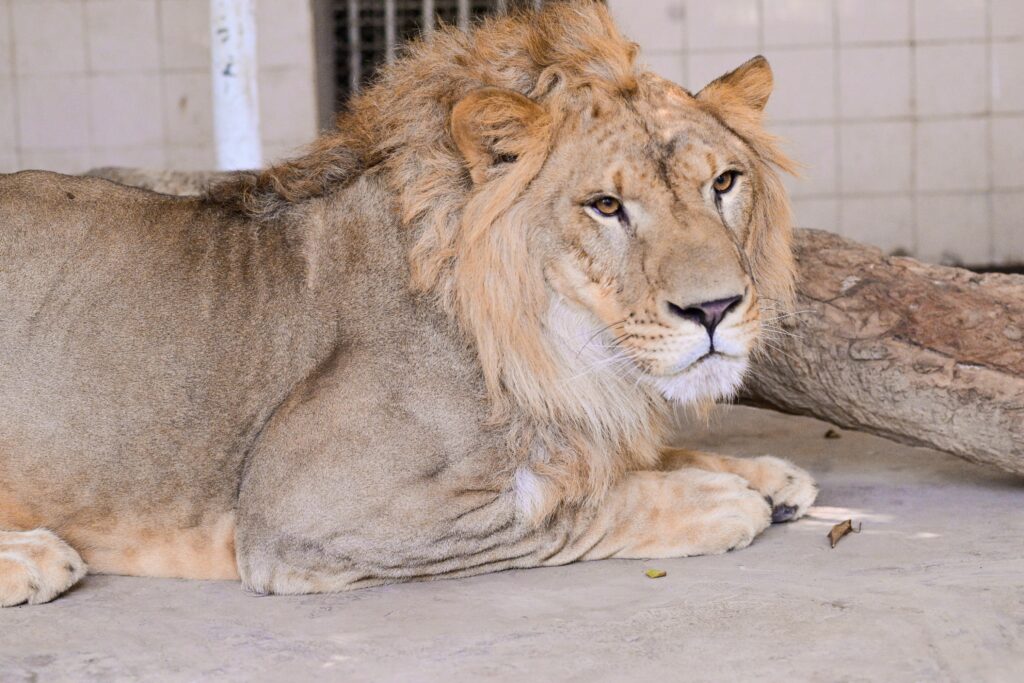
HABITAT
Africa
DIET
fruits, seeds, roots, herbs and insects
LITTER SIZE
one or two babies at a time
GASTATION PERIOD
98-110 Days
AVERAGE LIFE SPAN
20-27 years
Monkeys are primates, a group of mammals that also includes apes and humans. Known for their agility, intelligence, and social behavior, monkeys are found in various habitats across the globe, particularly in tropical regions. They are divided into two main groups: New World monkeys, found in Central and South America, and Old World monkeys, native to Africa and Asia.
Types of Monkeys
New World Monkeys
New World monkeys belong to the parvorder Platyrrhini. They are characterized by their prehensile tails and wide nostrils that face sideways. Notable species include:
- Spider Monkeys: Known for their long limbs and prehensile tails, which they use to swing through trees.
- Howler Monkeys: Famous for their loud calls that can be heard up to three miles away.
- Capuchin Monkeys: Highly intelligent and often seen in movies and TV shows, they have a distinctive cap-like tuft of hair.
Old World Monkeys
Old World monkeys belong to the parvorder Catarrhini. They typically have narrower, downward-facing nostrils and do not have prehensile tails. Notable species include:
- Baboons: Known for their large size, powerful build, and complex social structures.
- Macaques: Found in various regions, including Japan and Gibraltar, they are highly adaptable and often seen in close proximity to humans.
- Colobus Monkeys: Recognizable by their long, flowing fur and lack of thumbs, they primarily feed on leaves.
Habitat
Monkeys inhabit a wide range of environments, from tropical rainforests and savannas to mountainous regions and urban areas. New World monkeys are primarily arboreal, spending most of their time in trees, while Old World monkeys can be both arboreal and terrestrial.
Tropical Rainforests
Dense, lush forests provide an abundance of food and shelter. Species like spider monkeys and howler monkeys thrive in these environments.
Savannas and Grasslands
Some Old World monkeys, such as baboons, are well-adapted to open grasslands and savannas, where they live in large troops and forage on the ground.
Mountains
Certain species, like the Japanese macaque, are adapted to colder, mountainous regions, showcasing the diversity and adaptability of monkeys.
Diet
Monkeys have varied diets depending on their species and habitat. Generally, they are omnivorous, consuming a mix of plant and animal matter.
Fruits and Vegetables
Many monkeys, especially those in tropical forests, primarily eat fruits, leaves, and seeds. Their diet is rich in fiber and essential nutrients.
Insects and Small Animals
In addition to plant matter, monkeys may consume insects, small mammals, and bird eggs to supplement their protein intake.
Human Food
In areas where humans and monkeys coexist, some monkeys have adapted to eating human food, scavenging from trash or accepting food from people, which can sometimes lead to conflicts.
Behavior
Monkeys are highly social animals, living in groups that can range from a few individuals to several hundred. Their social structures are complex, with clear hierarchies and roles within the group.
Communication
Monkeys communicate using a variety of vocalizations, facial expressions, and body language. For example, howler monkeys are known for their booming calls, while macaques use a range of facial expressions to convey emotions and intentions.
Grooming
Grooming is an important social activity among monkeys. It helps to strengthen bonds between individuals, reduce tension, and maintain hygiene by removing parasites.
Play
Young monkeys engage in play, which is crucial for developing physical and social skills. Playful behaviors include chasing, wrestling, and swinging from branches.
Conservation Status
Many monkey species face threats from habitat destruction, hunting, and the illegal pet trade. Conservation efforts are crucial to protect these intelligent and socially complex animals.
Threats
- Deforestation: The destruction of tropical rainforests for agriculture and urban development reduces the habitat available for monkeys.
- Hunting and Poaching: Monkeys are hunted for their meat and captured for the pet trade, leading to significant population declines in some areas.
- Climate Change: Changes in climate can disrupt the delicate ecosystems that monkeys rely on for food and shelter.
Conservation Efforts
- Protected Areas: Establishing national parks and reserves helps to protect critical monkey habitats.
- Legislation: Enforcing laws against hunting and the illegal pet trade is essential to safeguarding monkey populations.
- Research and Education: Supporting research on monkey behavior and ecology, along with educating local communities about the importance of conservation, can promote coexistence and sustainable practices.
By understanding and appreciating the diversity and complexity of monkeys, we can take meaningful steps towards their preservation and ensure that these fascinating creatures continue to thrive in their natural habitats.