
HABITAT
Africa
DIET
Fruits, Peanuts, Gram Whole, Gram Parched.
LITTER SIZE
1 No.
GESTATION PERIOD
170 Days
AVERAGE LIFE SPAN
30 Years
AGE AT KARACHI ZOO
17 & 19 years
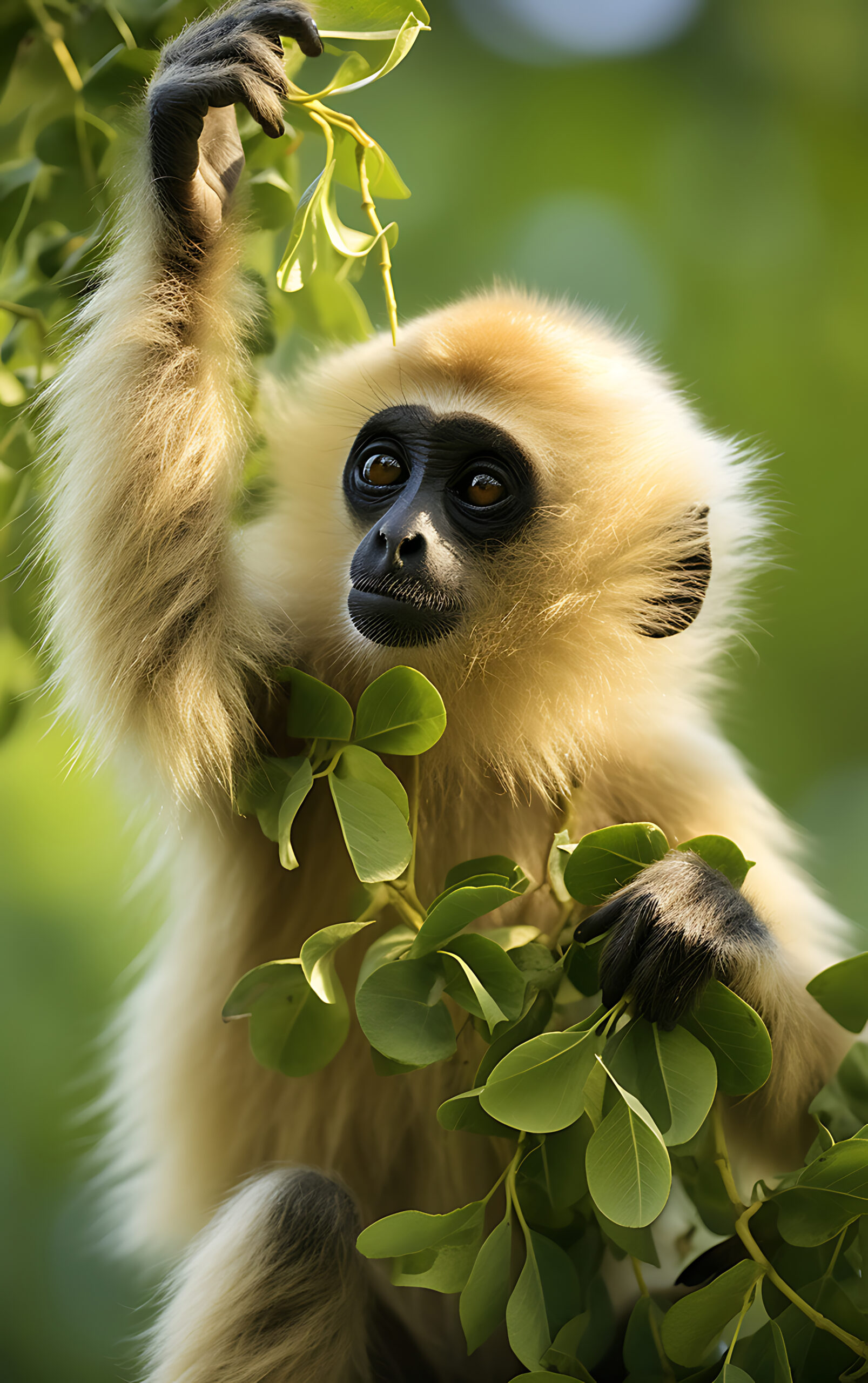
Olive Baboon handed over to Karachi Zoo by confiscation of Sindh Wildlife Department Government of Sindh from a local market. The olive baboon (papio anubis) is a species of baboon found in Africa. They are known for their distinctive Olive green fur which darkness with age.
They are social animals living in large troops which complex hierarchies.
Overview
The Olive Baboon (Papio anubis) is a charismatic primate species native to various habitats across Africa. Known for their social structure, intelligence, and adaptable behaviors, Olive Baboons play a significant role in African ecosystems and cultural narratives.
Physical Characteristics
Appearance
Olive Baboons exhibit distinct physical traits:
- Coloration: They have olive-green to grayish-brown fur, lighter on the underside, with a dark face and muzzle.
- Size: Adults can weigh between 24 to 35 kilograms (53 to 77 pounds) and measure up to 1 meter (3.3 feet) in length, excluding the tail.
- Features: They possess a long, dog-like muzzle, prominent brow ridges, and a short tail.
Adaptations
Olive Baboons have adaptations suited to their savanna and woodland habitats:
- Diet: Their specialized dentition allows them to consume a wide range of foods, including fruits, seeds, leaves, insects, small vertebrates, and occasional scavenged meat.
- Social Behavior: Living in large troops provides protection from predators and facilitates cooperative foraging and social interactions.
Habitat
Range
Olive Baboons inhabit various regions throughout sub-Saharan Africa:
- Geographic Distribution: They are found from Senegal and Ethiopia to Tanzania and southern Africa, preferring savannas, woodlands, and gallery forests.
- Habitat Preferences: They adapt to diverse environments with access to water sources such as rivers, streams, and seasonal pools.
Habitat Preferences
They exhibit habitat specificity based on seasonal changes:
- Foraging Areas: Olive Baboons range widely in search of food, utilizing forest edges, grasslands, and agricultural lands, often near human settlements.
- Resting Sites: They seek shelter in trees, rock formations, and thick vegetation for sleeping and protection from adverse weather conditions.
Diet and Feeding
Omnivorous Diet
Olive Baboons are opportunistic feeders with diverse dietary habits:
- Primary Diet: They primarily consume fruits, berries, seeds, leaves, and grasses, supplementing their diet with insects, small mammals, birds, and eggs.
- Foraging Behavior: They use their dexterous hands and strong jaws to manipulate and extract food items from various sources, including scavenging from human settlements.
Feeding Behavior
They exhibit efficient feeding habits:
- Group Foraging: Baboons forage in groups led by dominant males, utilizing collective knowledge to locate and exploit seasonal food resources.
- Digestive System: They have a complex stomach with multiple chambers for fermenting plant material, aiding in digestion and nutrient absorption.
Behavior and Social Structure
Social Behavior
Olive Baboons exhibit complex social dynamics:
- Troop Structure: They live in large troops consisting of multiple adult males, females, juveniles, and infants, led by a dominant male hierarchy.
- Hierarchy: Social hierarchy within troops is maintained through displays of aggression, grooming behaviors, and vocalizations.
Communication
Communication among Olive Baboons involves vocalizations and visual cues:
- Vocalizations: They use grunts, barks, screams, and alarm calls to convey information about food, danger, and social interactions.
- Body Language: Tail movements, facial expressions, and postures communicate dominance, submission, and reproductive readiness among troop members.
Reproduction
Reproductive behavior follows natural instincts within troop dynamics:
- Mating Behavior: During breeding seasons, dominant males mate with receptive females, establishing temporary consortships to ensure reproductive success.
- Gestation and Birth: After a gestation period of about 6 months, females give birth to a single infant, cared for and protected within the troop.
Parental Care
Parental roles are crucial for offspring survival:
- Maternal Care: Mothers provide extensive care, including nursing, grooming, and protection, with other troop members assisting in infant care and socialization.
- Learning: Young baboons learn essential skills, such as foraging techniques and social behaviors, through observation, play, and guided interactions within the troop.
Conservation Status
Conservation Context
Olive Baboons are not currently listed as a species of conservation concern:
- Population Stability: They maintain stable populations across their range, benefiting from adaptable behaviors and resilience to habitat changes.
- Human Interaction: Human-wildlife conflict occasionally arises from crop raiding and livestock predation, requiring management strategies and community engagement.
Conservation Efforts
Efforts focus on species management and community education:
- Research: Conducting research on population dynamics, behavior, and habitat use to inform conservation strategies and mitigate human-wildlife conflict.
- Education: Engaging local communities through outreach programs, promoting coexistence strategies, and raising awareness about baboon ecology and conservation needs.
Fun Facts
- Tool Use: Olive Baboons are known to use tools, such as sticks and stones, for digging, grooming, and food extraction, showcasing their cognitive abilities.
- Cultural Significance: They feature prominently in African folklore and traditions, symbolizing resilience, adaptability, and social cohesion within communities.
- Ecological Role: As omnivorous foragers, Olive Baboons contribute to seed dispersal and nutrient cycling in their habitats, influencing plant diversity and ecosystem dynamics.
By understanding the unique characteristics and ecological importance of Olive Baboons, visitors can appreciate their role as charismatic primates and ambassadors for wildlife conservation, supporting efforts to ensure their continued presence in African ecosystems.