
HABITAT
Pakistan, india
DIET
Peanut, Fruits, Gram Whole, Gram Parched
LITTER SIZE
1 No.
GESTATION PERIOD
164 Days
AVERAGE LIFE SPAN
35 Years
AGE AT KARACHI ZOO
1 to 17 years
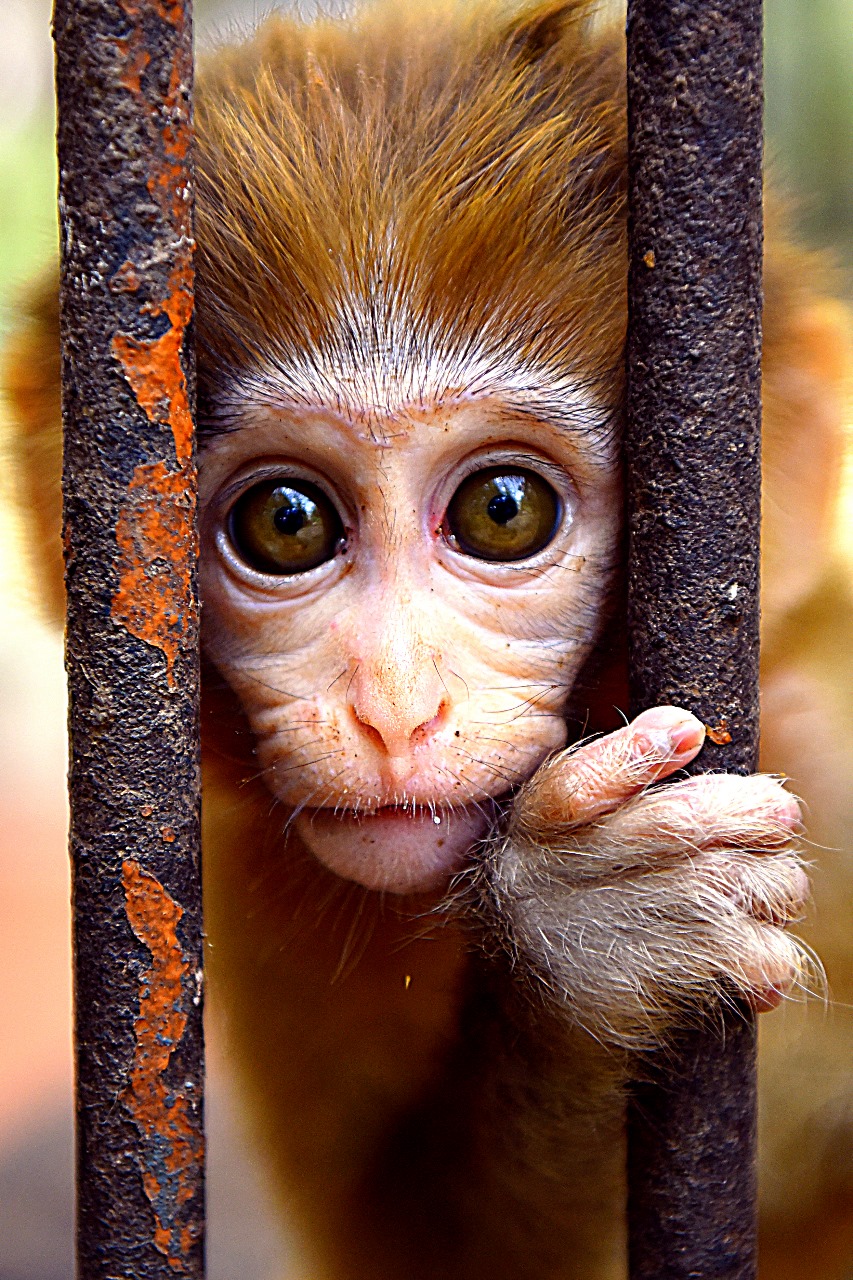
Rhesus Monkey (babies) was handed over to Karachi Zoo as per Order of ADJ-X South Karachi when confiscated by Sindh Wildlife Department Government of Sindh in July, 2023 and their around 6-8 months old.
Rhesus monkey Known for their intelligence and adaptability, these primates are widespread across Asia. Their fur is a mix of brown and gray, blending seamlessly with their surroundings. Agile and curious, they often travel in large social groups. They are omnivores, with a diet ranging from fruits and seeds . In the wild, they communicate through a variety of vocalizations and gestures. Playful and mischievous, they display complex social behaviors. Their expressive faces reflect a range of emotions, from curiosity to contentment
Overview
Rhesus Monkeys (Macaca mulatta) are Old World monkeys native to South, Central, and Southeast Asia. Known for their social behavior and adaptability, these monkeys are often found in a variety of habitats, including forests, grasslands, and urban areas. Rhesus Monkey babies, or infants, are particularly endearing and exhibit unique behaviors as they grow and learn within their troop.
Physical Characteristics
Appearance
Rhesus Monkey babies have distinct physical features that set them apart from adults:
- Size: At birth, Rhesus Monkey infants weigh around 150 to 250 grams (5.3 to 8.8 ounces) and are approximately 7 to 8 inches (18 to 20 centimeters) long.
- Coloration: They have a light to dark brown coat, often with a pale face and limbs that darken as they grow older.
- Facial Features: Their faces are characterized by round eyes, a short snout, and prominent ears.
Development
Rhesus Monkey babies undergo rapid growth and development:
- Growth Rate: They grow quickly during the first year, reaching adulthood by around 3 to 5 years old.
- Physical Changes: As they mature, their coat color darkens, and they develop more pronounced facial features and body size.
Habitat
Range
Rhesus Monkeys have a wide geographic range across Asia:
- Geographic Range: They are found in Afghanistan, Pakistan, India, Southeast Asia, China, and neighboring regions.
- Habitat Adaptability: They inhabit diverse habitats, including tropical and subtropical forests, grasslands, and urban areas near human settlements.
Habitat Preferences
Rhesus Monkeys adapt well to various environments:
- Forest Canopies: They are arboreal, spending much of their time in trees, where they find food and shelter.
- Ground Foraging: They also forage on the ground for fallen fruits, seeds, and insects, using their dexterous hands to manipulate objects.
Diet and Foraging
Omnivorous Diet
Rhesus Monkey babies have a diet that evolves as they grow:
- Infant Diet: Initially, they rely on their mother’s milk, which provides essential nutrients for growth and development.
- Weaning: As they mature, they begin to eat solid foods, including fruits, leaves, seeds, and occasional insects.
Learning Behavior
Infant Rhesus Monkeys learn foraging skills and social behaviors from their mothers and other troop members:
- Observational Learning: They observe adult monkeys to learn how to select and handle food items.
- Play Behavior: Play is crucial for developing coordination, social skills, and agility, as they interact with siblings and peers within the troop.
Behavior and Social Structure
Troop Dynamics
Rhesus Monkeys live in large social groups called troops:
- Social Bonds: Troops are structured hierarchically, with dominant individuals having priority access to resources.
- Family Units: Within troops, there are family units composed of females and their offspring, which provide protection and social support.
Communication
Communication among Rhesus Monkeys includes vocalizations, facial expressions, and body language:
- Vocalizations: They produce a range of calls, from alarm cries to mating calls, to communicate with troop members.
- Facial Expressions: Facial gestures, such as baring teeth or raising eyebrows, convey emotions and intentions.
- Grooming: Mutual grooming strengthens social bonds and helps maintain hygiene within the troop.
Maternal Care
Mother-infant bonding is strong among Rhesus Monkeys:
- Nurturing Behavior: Mothers carry and groom their infants, providing warmth, protection, and reassurance.
- Weaning Process: Infants gradually become more independent as they transition from milk to solid foods, with mothers guiding and monitoring their progress.
Conservation Status
Threats
Rhesus Monkeys face various threats in the wild:
- Habitat Loss: Deforestation and urbanization reduce their natural habitats and food sources.
- Human-Wildlife Conflict: Encounters with humans in urban areas can lead to injury or capture.
- Illegal Wildlife Trade: They are sometimes captured for the pet trade or used in biomedical research.
Conservation Efforts
Efforts to protect Rhesus Monkeys include:
- Protected Areas: Establishing and managing wildlife reserves and sanctuaries to conserve their habitats.
- Education and Awareness: Promoting awareness about the importance of conservation and reducing human impacts on monkey populations.
- Research and Monitoring: Studying behavior and population dynamics to inform conservation strategies and management practices.
Fun Facts
- Social Bonds: Rhesus Monkeys form strong social bonds within their troops, engaging in grooming, play, and mutual care.
- Adaptability: They are adaptable to human-altered environments, often seen in urban areas raiding crops or scavenging food.
- Cultural Significance: In some Asian cultures, Rhesus Monkeys are revered in mythology and art, symbolizing intelligence and agility.
By understanding the unique characteristics and behaviors of Rhesus Monkey babies, visitors can appreciate their role in ecosystems and support efforts to conserve these fascinating primates for future generations.