
HABITAT
Africa
DIET
Lucerne Grass, Vegetables, Gram whole
CLUTCH SIZE
1-7 No.
INCUBATION PERIOD
21-30 Days
AVERAGE LIFE SPAN
50 Years
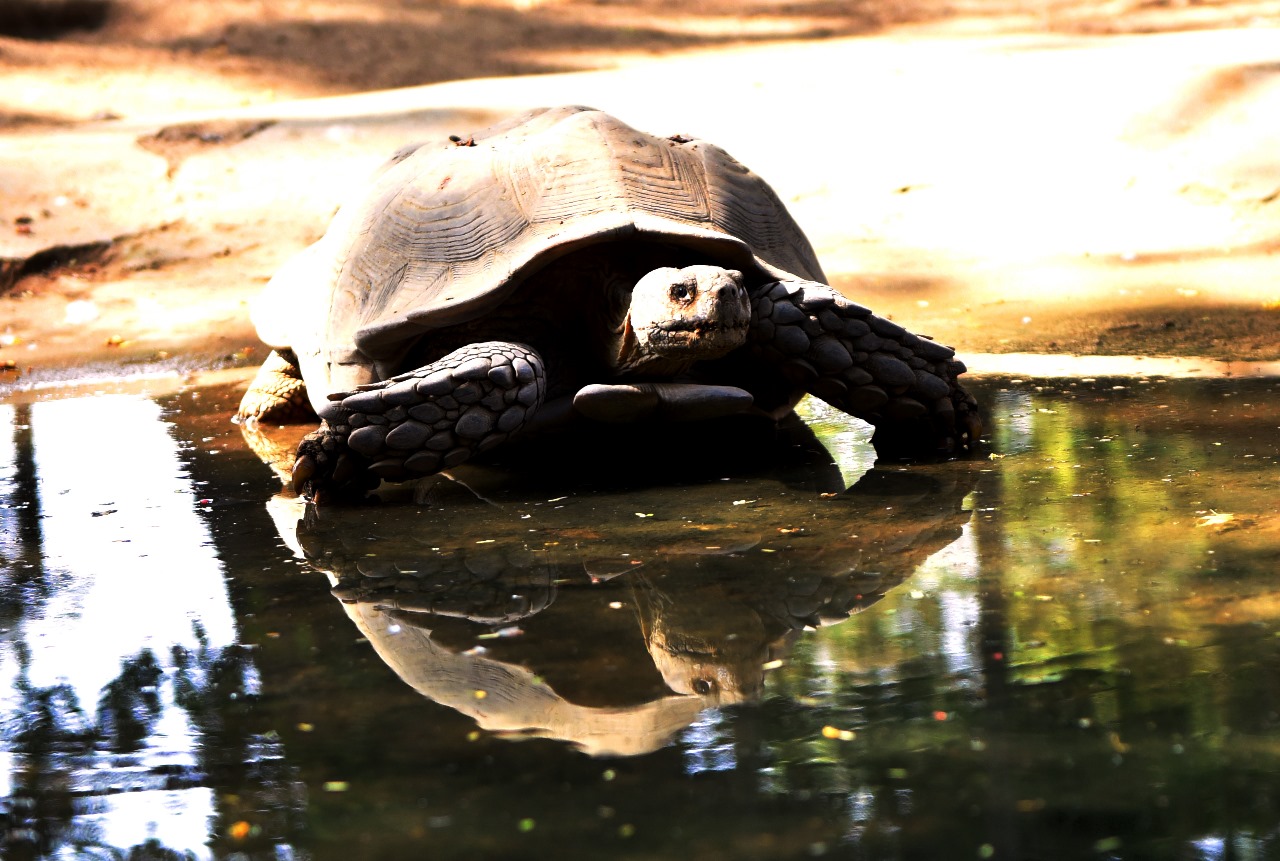
Is a resilient species known for its distinctive thigh spurs. Native to North Africa, Southern Europe, and parts of the Middle East, it thrives in arid and semi-arid habitats. This species is identifiable by its high-domed shell, which provides excellent protection against predators. The tortoise’s diet consists mainly of vegetation, spur-thighed tortoises can live for over 50 years in the wild. They are solitary creatures, often seen basking alone in the sun. . These tortoises are a symbol of endurance and adaptation in harsh environment
Overview
The Spur-Thighed Tortoise, scientifically known as Testudo graeca, is a species of tortoise native to the Mediterranean region and parts of the Middle East. Known for its distinctive appearance and docile nature, this tortoise species has adapted to a variety of habitats, from dry scrublands to rocky hillsides. It is widely kept as a pet due to its manageable size and ease of care, making it a popular choice among reptile enthusiasts worldwide.
Physical Characteristics
Appearance
Spur-Thighed Tortoises have unique physical features:
- Size: They are medium-sized tortoises, with adults typically ranging from 6 to 10 inches (15 to 25 centimeters) in carapace length.
- Shell: Their domed carapace (upper shell) is usually brown or yellowish-brown in color, with prominent growth rings and scutes.
- Spurs: They have distinctive spurs on their thighs, which are more pronounced in males and used during mating displays.
- Limbs: Their legs are sturdy and adapted for terrestrial locomotion, ending in strong claws for digging and climbing.
Adaptations
Spur-Thighed Tortoises are well-adapted to their environment:
- Shell Protection: Their shell provides protection against predators and helps regulate body temperature.
- Dietary Adaptations: They have a herbivorous diet, primarily feeding on grasses, leafy greens, flowers, and occasionally fruits.
Habitat
Range
Spur-Thighed Tortoises are native to the Mediterranean region:
- Geographic Range: They inhabit countries such as Greece, Turkey, Spain, Italy, and North Africa, preferring semi-arid habitats with sufficient vegetation and access to water.
- Adaptability: They can also be found in disturbed habitats, including agricultural fields and suburban gardens.
Habitat Preferences
They thrive in diverse habitats:
- Terrestrial Lifestyle: They are primarily terrestrial, spending much of their time foraging for food and basking in sunlight.
- Burrowing Behavior: They dig burrows or use natural crevices to seek shelter from extreme temperatures and predators.
Diet and Feeding
Herbivorous Diet
Spur-Thighed Tortoises have a specialized diet:
- Vegetation: They consume a variety of plant matter, including grasses, weeds, herbs, and succulents, which provide essential nutrients and hydration.
- Fruit Consumption: Occasionally, they may eat fruits such as berries or figs, especially during the summer months when these are available.
Feeding Behavior
They exhibit specific feeding habits:
- Grass Grazing: They graze on low-lying vegetation, using their strong beaks to crop and tear grass blades.
- Foraging Strategy: Tortoises are opportunistic feeders, taking advantage of seasonal changes in vegetation and food availability.
Behavior and Social Structure
Solitary Nature
Spur-Thighed Tortoises are largely solitary animals:
- Territorial Behavior: They establish home ranges that they defend against intruders, marking boundaries with scent and visual signals.
- Social Interactions: While solitary, they may come together briefly during the breeding season or for communal basking sites.
Reproduction
Reproductive behavior follows a seasonal pattern:
- Mating Season: Breeding typically occurs in spring or early summer, with males competing for access to females through displays and ritualized behaviors.
- Nesting: Females dig shallow nests in sandy or loamy soil, where they lay a clutch of 3 to 12 eggs, depending on their size and age.
Parental Care
Female tortoises provide minimal parental care:
- Incubation: Eggs are left buried in the nest, where they incubate for about 2 to 3 months, depending on temperature and humidity.
- Hatchlings: Upon hatching, juveniles are independent and must fend for themselves, relying on instinctual behaviors to survive.
Conservation Status
Threats
Spur-Thighed Tortoises face several threats to their survival:
- Habitat Loss: Urbanization, agricultural expansion, and tourism development reduce their natural habitats and fragment populations.
- Illegal Collection: They are sometimes collected from the wild for the exotic pet trade, despite legal protections.
- Climate Change: Changing environmental conditions, including temperature fluctuations and droughts, affect their habitat suitability and food availability.
Conservation Efforts
Efforts to protect Spur-Thighed Tortoises include:
- Legislation and Enforcement: Enacting laws to regulate trade and protect wild populations from exploitation.
- Habitat Restoration: Restoring degraded habitats and establishing protected areas and reserves to conserve remaining populations.
- Public Education: Raising awareness about the importance of conservation and responsible pet ownership to reduce demand for wild-caught individuals.
Fun Facts
- Longevity: Spur-Thighed Tortoises are known for their longevity, with individuals living up to 50 to 80 years or more in captivity.
- Thermoregulation: They regulate body temperature by basking in sunlight or seeking shade, using their shell coloration to absorb or reflect heat.
- Cultural Significance: Tortoises have been depicted in art and mythology throughout history, symbolizing longevity, wisdom, and resilience.
By understanding the unique characteristics and ecological roles of Spur-Thighed Tortoises, visitors can appreciate these ancient reptiles and support efforts to conserve them for future generations.