
HABITAT
Africa, South Asia
DIET
grains, grasses (such as bamboos), berries, leaves, figs, seeds, flowers, insects, worms, and small reptiles and mammals
LITTER SIZE
6 to 8 No.
GESTATION PERIOD
28-30 Days
AVERAGE LIFE SPAN
10-25 Years
Overview
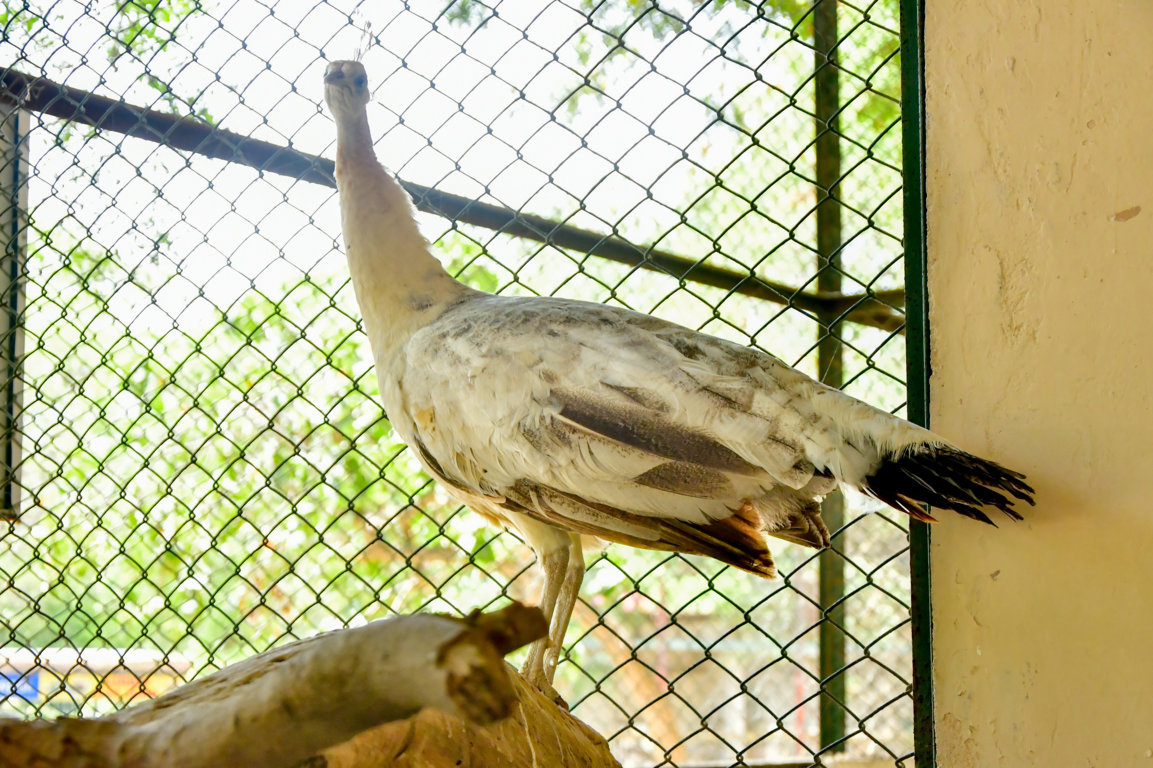
The White Peacock (Pavo cristatus) is a majestic bird known for its stunning plumage and graceful demeanor. As a color variant of the Indian Peafowl, the White Peacock captivates with its iridescent white feathers, ornate display during courtship, and cultural symbolism across various societies.
Physical Characteristics
Appearance
White Peacocks exhibit distinct physical traits:
- Plumage: They have all-white plumage with iridescent accents on their long tail feathers, lacking the typical colorful patterns of male Indian Peafowls.
- Size: They are large birds, with males (peacocks) generally larger and more elaborate in plumage than females (peahens).
- Train: Their train consists of elongated upper tail coverts, which are displayed in a fan-like arrangement during courtship displays.
Adaptations
White Peacocks have adaptations suited to their habitat:
- Feathers: Their feathers provide insulation and protection, with iridescence serving as visual signals during mating rituals and social interactions.
- Courtship Displays: Elaborate courtship displays showcase their plumage and agility, attracting mates and establishing dominance among males.
Habitat
Range
White Peacocks are primarily found in captivity and managed habitats:
- Origins: They originate from selective breeding in captivity rather than occurring naturally in the wild.
- Habitat Preferences: They thrive in aviaries, zoos, botanical gardens, and private collections, benefiting from controlled environments and specialized care.
Habitat Preferences
They exhibit habitat specificity based on captive management:
- Enclosures: White Peacocks require spacious enclosures with ample perching areas, vegetation cover, and access to fresh water for bathing and preening.
- Climate Control: They are sensitive to temperature extremes and require shelter or heating during colder months to maintain optimal health and plumage condition.
Diet and Feeding
Omnivorous Diet
White Peacocks have diverse dietary habits:
- Primary Diet: They consume a varied diet that includes seeds, grains, insects, small reptiles, and vegetation such as fruits and leafy greens.
- Foraging Behavior: They use their sharp beaks and agile movements to capture prey and peck at plant material, utilizing sight and hearing to detect food sources.
Feeding Behavior
They exhibit efficient feeding habits:
- Daily Routine: White Peacocks feed throughout the day, exploring their environment for food items and supplementing their diet with commercial feeds designed for captive avian species.
- Nutrient Intake: They require a balanced diet rich in proteins, vitamins, and minerals to support feather growth, coloration, and overall health.
Behavior and Social Structure
Social Behavior
White Peacocks exhibit social interactions typical of peafowl:
- Group Dynamics: They form loose social groups within captive settings, interacting with other peafowl and avian species in shared habitats.
- Communication: Vocalizations (calls, screams) and visual displays (feather erecting, tail fanning) convey social hierarchy, courtship readiness, and territorial boundaries.
Reproduction
Reproductive behavior follows natural instincts in captivity:
- Mating Rituals: Courtship displays involve males spreading and shaking their trains, emitting loud calls, and performing dance-like movements to attract females.
- Breeding: Females select mates based on display quality and male vigor, leading to successful mating and egg-laying in secluded nest sites within aviaries or suitable enclosures.
Parental Care
Parental roles are managed within managed environments:
- Nesting: Females construct nests from leaves and vegetation, incubating eggs for about 28 days before hatching.
- Chick Rearing: Both parents protect and feed chicks, teaching them feeding techniques and social behaviors essential for survival in captivity.
Conservation Status
Conservation Context
White Peacocks are not listed as a species of conservation concern:
- Captive Breeding: They thrive in captive breeding programs, supporting genetic diversity and conservation education initiatives.
- Public Awareness: Captive populations contribute to public awareness about avian conservation, cultural heritage, and responsible pet ownership.
Conservation Efforts
Efforts focus on species management and education:
- Breeding Programs: Facilitating breeding programs in zoological institutions and private collections to maintain genetic diversity and ensure long-term sustainability.
- Education and Outreach: Engaging visitors through interpretive programs, exhibits, and outreach activities to promote understanding of peafowl biology, behavior, and conservation needs.
Fun Facts
- Symbolism: White Peacocks symbolize purity, beauty, and spiritual enlightenment in various cultural traditions and religious beliefs.
- Artistic Inspiration: They have inspired artists, poets, and designers throughout history, influencing decorative arts, fashion, and garden design.
- Adaptability: Captive-bred White Peacocks demonstrate adaptability to diverse environments and caretaker interactions, showcasing their intelligence and social bonds.
By understanding the unique characteristics and cultural significance of White Peacocks, visitors can appreciate their beauty and role as ambassadors for avian conservation, supporting efforts to ensure their welfare and conservation in captivity and beyond.